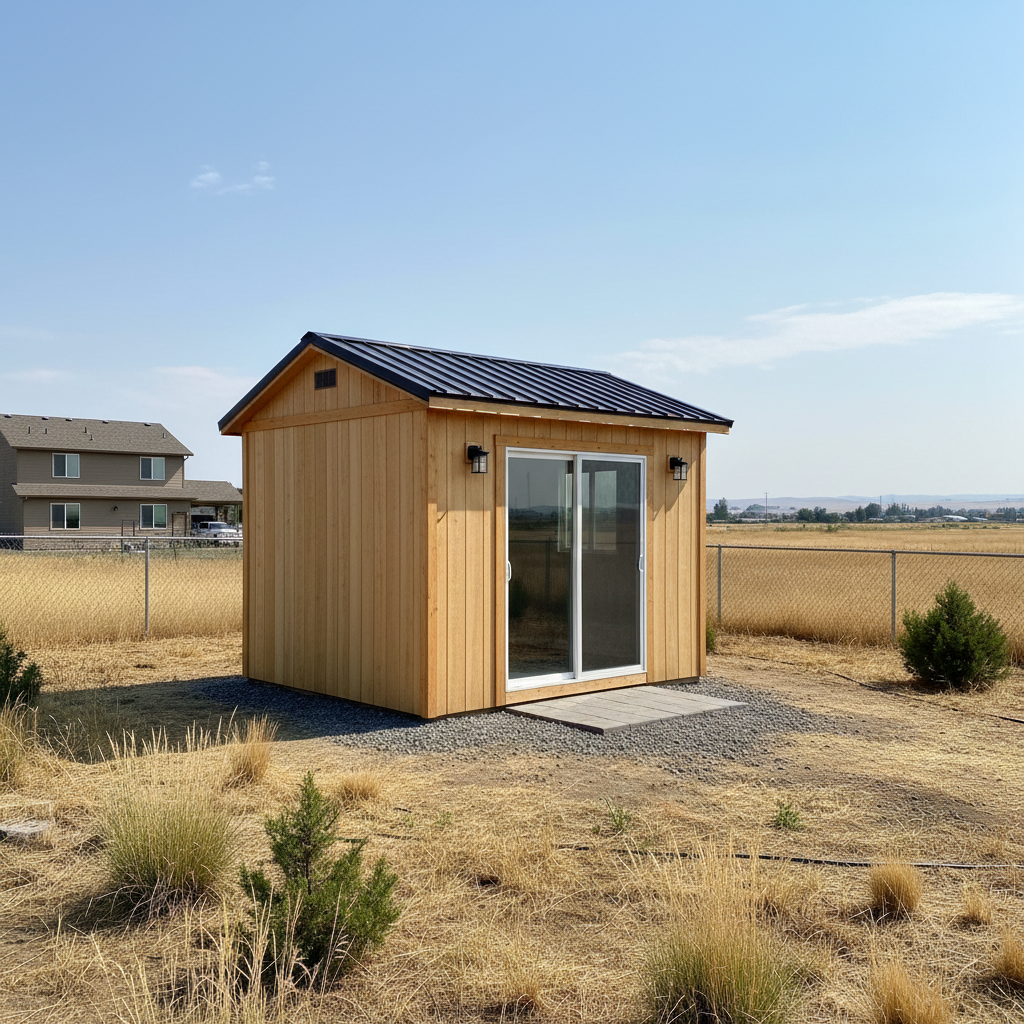
You put good money into that office shed, didn't you? Whether it's a dedicated workspace, a quiet retreat, or a creative studio, you want it to last. And here in Moses Lake, with our dry, hot summers and sometimes surprisingly cold, damp winters, a little preventative maintenance goes a long way. I've built a lot of these sheds, and I've seen what makes them stand the test of time and what leads to trouble. Let's talk about keeping your Moses Lake Custom Shed, or any shed for that matter, in prime condition.
Extending the Life of Your Office Shed
Think of your shed like a smaller version of your house. It needs similar care. The biggest thing you can do to extend its life is protect it from the elements. That means focusing on the exterior envelope: the roof, siding, and foundation.
- Roof Care is King: Our sun can be brutal on roofing materials. Check your roof at least twice a year – spring and fall are good times. Look for cracked shingles, loose flashing around vents or skylights, or any debris buildup. Moss isn't usually a huge issue here like it is on the west side of the state, but dust and leaves can still accumulate, especially if you're near trees. Clear that stuff off. If you have an asphalt shingle roof, look for granules washing away; that's a sign it's nearing the end of its life.
- Seal the Deal on Siding: Wood siding, whether it's T1-11 or lap siding, needs protection. Every few years, you'll want to re-stain or repaint. This isn't just for looks; it's your primary defense against moisture and UV damage. Pay extra attention to the south and west-facing walls, as they take the brunt of our afternoon sun. Look for peeling paint, cracking wood, or any spots where water might be getting in.
- Foundation Inspection: We generally build on solid foundations here, but you still need to check around the base. Make sure there's good drainage away from the shed – no standing water. If you've got a gravel or concrete pad, check for cracks or shifting. Critters love to make homes under sheds, so keep an eye out for signs of burrowing.
Regular Maintenance: Your Seasonal Checklist
This isn't rocket science, but it does take a little consistency. Here's a quick run-down of what I recommend:
- Spring Check-up: After winter, give everything a good once-over. Inspect the roof for any winter damage. Clean out gutters if you have them – they can get packed with dust and leaves from our windy days. Check all exterior caulking around windows and doors; reapply if it's cracked or missing. Give the siding a good wash to remove accumulated dust and grime.
- Summer Prep: Before the real heat hits, make sure your ventilation is clear. If you have vents, ensure they're not blocked. This helps keep the interior cooler and prevents moisture buildup. If you've got an AC unit, clean its filters.
- Fall Readiness: This is a big one. Before the cold and potential dampness sets in, do a thorough exterior inspection. Look for any gaps or cracks that could let in cold air or moisture. Check weather stripping on doors and windows. If you're in an area with a lot of deciduous trees, clear leaves from the roof and around the base of the shed.
- Winter Watch: Our winters aren't always extreme, but we do get freezing temperatures. Keep an eye on any pipes if your shed is plumbed. Ensure snow isn't piling up against the siding for extended periods.
Warning Signs of Problems: Don't Ignore These
Your shed will usually tell you when something's wrong, you just have to know what to look for. Catching these early can save you a headache and a lot of money.
- Water Stains: Any discoloration on the ceiling, walls, or floor inside the shed is a red flag. It means water is getting in somewhere. Trace it back to the source – could be a roof leak, a window seal, or a crack in the siding.
- Musty Odors: If your shed smells damp or moldy, you've got a moisture problem. This is bad for the structure and your health. Find the source and address it immediately.
- Soft Spots: Press on the floor, walls, and even the roof (if it's safe to do so). If you feel soft or spongy areas, that's rot. It means water has been sitting there for a while, and the wood is decaying.
- Pest Evidence: Sawdust piles, chewed wires, droppings, or actual sightings of rodents or insects are all signs of an infestation. Pests can cause significant structural damage and chew through wiring.
- Drafts: Feel cold air coming in around windows or doors? That means your seals are compromised, leading to higher energy bills and potential moisture intrusion.
When to Call a Professional
Look, I'm all for DIY, but some things are best left to the pros. If you see any of those warning signs and you're not comfortable or sure how to fix them, that's when you call someone like me. Don't let a small leak turn into a major structural repair. If you're dealing with extensive rot, significant roof damage, or persistent pest issues, get a professional opinion. Sometimes, just getting a second set of eyes on a problem can save you a lot of grief. For anything beyond basic cleaning or sealing, especially if it involves the structural integrity or major repairs, it's worth getting a local contractor to take a look. We know the specific challenges of building and maintaining structures in the Moses Lake area, whether it's dealing with our expansive clay soils or the intense summer sun. Don't hesitate to reach out if you're unsure.