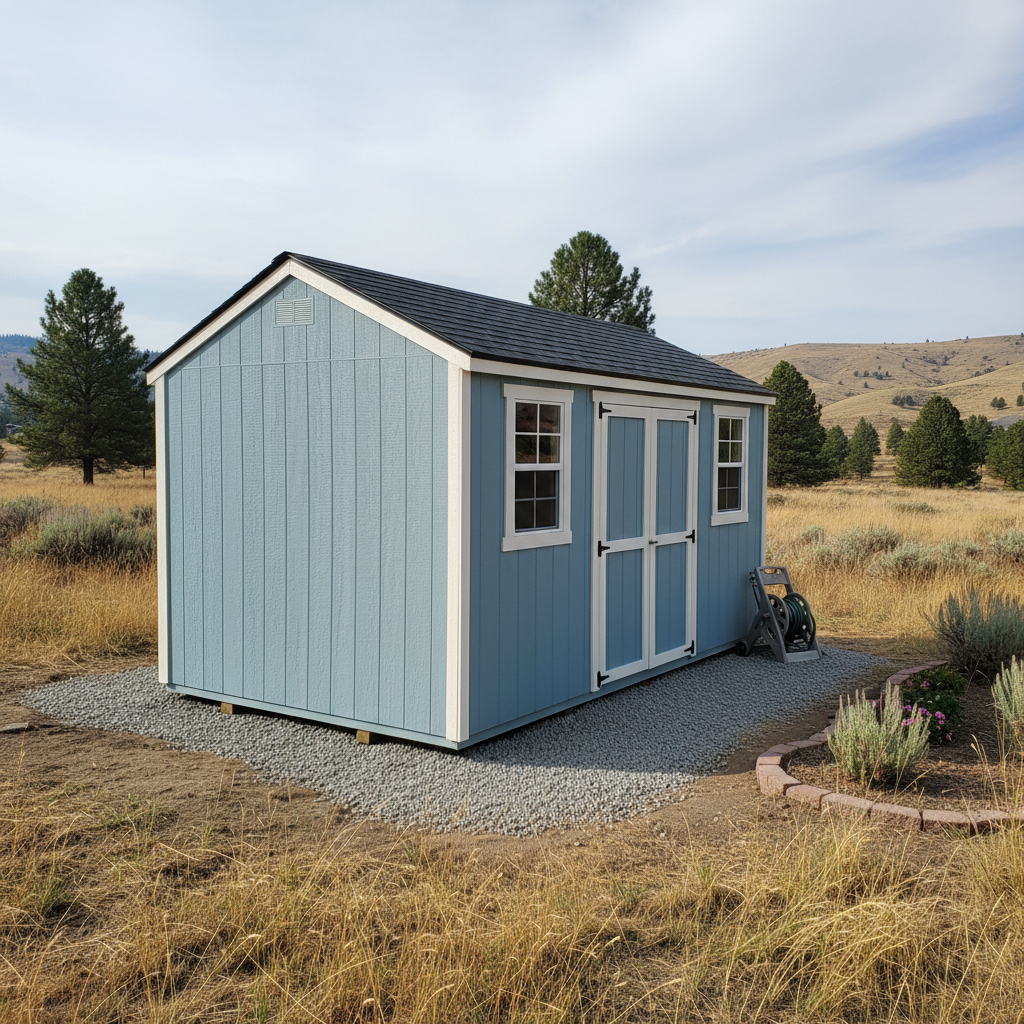
Your shed isn't just some box in the backyard, is it? Nah, it's an investment, a workshop, maybe even a little sanctuary for your tools and toys. Here in Moses Lake, our weather can really beat up outdoor structures. We get those blistering summers, the cold, dry winters, and sometimes those crazy wind gusts that just appear out of nowhere. If you want your shed to stick around as long as it should, you've gotta give it a little love. It's not rocket science, just smart upkeep.
Extending Your Shed's Lifespan: The Big Picture
Think of it this way: fixing things always costs more than preventing damage in the first place. The biggest threats to your shed are moisture, sun, and pests. Keeping those three in check? That's your main goal. A well-built shed from Moses Lake Custom Sheds is designed to take a lot of abuse, but even the best materials need a hand sometimes.
First off, good drainage around the shed is absolutely critical. If water just sits there around the base, you're practically asking for trouble. Make sure your gutters (if you've got 'em) are clean and actually sending water away from the foundation. No gutters? Consider adding them, especially on the side that gets hammered by rain or snowmelt. You'll want at least a six-inch slope heading away from the shed for about ten feet. This is super important if your shed's on a gravel pad or concrete slab, because standing water can still seep into the foundation or splash right up onto the siding.
Sun exposure, while great for drying things out, can also bake and crack paint or stain. Reapplying a good quality exterior paint or stain every few years isn't just about making it look nice; it's a protective barrier. Don't cheap out here. A good product will offer UV protection and repel water, which is exactly what you want.
Regular Maintenance: Your Seasonal Checklist
You don't have to spend your whole weekend on this stuff, but a quick check-up a couple of times a year really pays off.
- Spring Clean-Up: After winter, check for any damage from snow or ice. Clear out any junk from the gutters. Look over the roof for loose shingles or flashing. Give the outside a good wash to get rid of grime and mildew. Check the caulking around windows and doors; if you see cracks, re-caulk.
- Fall Prep: Before winter arrives, clear leaves and branches from the roof and around the foundation. Make sure vents aren't blocked. Check the door and window seals to ensure they're still snug. You definitely don't want drafts or moisture sneaking in.
- Year-Round: Keep an eye on the plants. Trim back any bushes or tree branches that are touching the shed. They can rub against the siding, scratch paint, and honestly, they're like a highway for pests. Check for spiderwebs or insect nests, especially around the eaves and corners.
Inside the shed, try to keep things organized and off the floor if you can. This helps with airflow and makes it easier to spot any signs of moisture or pests early on. Trust me, it's worth it.
Warning Signs: Don't Ignore These
Your shed will tell you if something's wrong, you just have to pay attention. Here are some red flags:
- Sagging Roof or Floor: This is a big deal. A sagging roof could mean structural problems, often from water damage or heavy snow loads. A bouncy or sagging floor might point to rot in the joists or an unstable foundation.
- Cracked or Peeling Paint/Stain: Beyond just looking bad, this means your protective layer isn't doing its job anymore. Water can now get into the wood, which leads straight to rot.
- Musty Smell or Visible Mold/Mildew: Definitely a sign of water getting in. Find the source fast. It could be a leaky roof, bad ventilation, or water seeping up from the foundation.
- Pest Evidence: Sawdust piles, chewed wood, droppings, or actual critters. Termites, carpenter ants, and rodents just love sheds. Catching this early can save you a ton of headaches. Here in Moses Lake, we've certainly got our share of these unwelcome guests.
- Doors or Windows Sticking: If they suddenly get hard to open or close, it might mean the foundation is settling or moisture is making the wood swell.
When to Call a Professional
Look, I'm a big fan of doing things yourself when it makes sense, but sometimes you just need to bring in the pros. If you spot any of those major warning signs like significant sagging, widespread rot, or a serious pest infestation, don't try to patch it up yourself unless you're truly experienced. Structural issues, extensive roof repairs, or foundation problems are usually way beyond what a weekend warrior can handle.
Also, if you're just not comfortable with heights for roof work, or you don't have the right tools for a big repair, it's smarter to hire someone. A professional can quickly figure out the problem, fix it correctly, and often save you money down the road by preventing more damage. Sometimes, a small investment in a professional repair now can keep you from needing a whole new shed later. We've seen it happen. Don't hesitate to reach out if you're unsure; we're happy to take a look and give you an honest assessment.