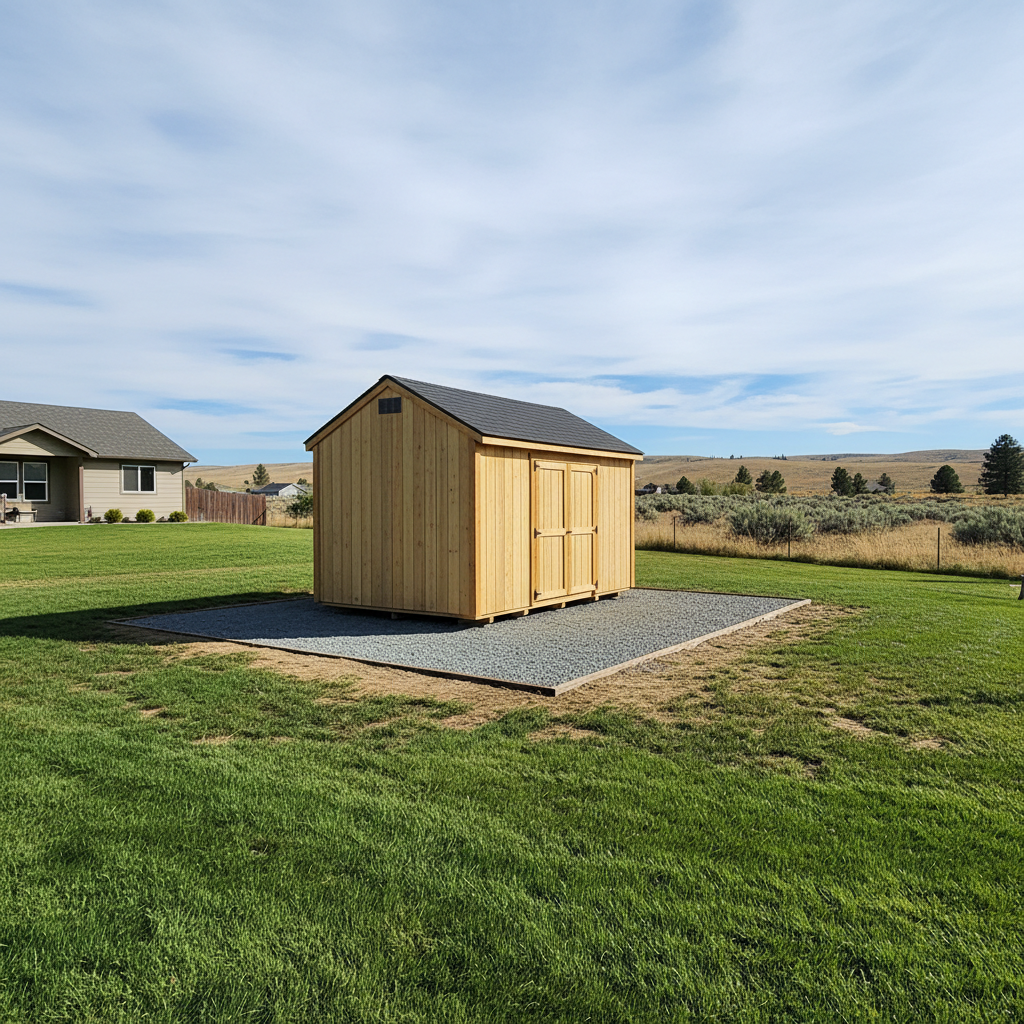
So, you've just gotten your new shed from Moses Lake Custom Sheds. Maybe it's a backyard office, a workshop, or just some much-needed extra storage. You're probably thinking, "Great, all done!" But hold on a minute. If you want that shed to really last, like it's supposed to, you'll need to put in a little effort. Think of it like owning a car: you don't just drive it; you actually maintain it. Your shed needs the same kind of attention, especially with the kind of weather we get out here in Central Washington.
Want Your Shed to Last? Pay Attention to the Small Stuff
The most important thing you can do to keep your shed in good shape for years is to keep water away from it. Sounds pretty straightforward, right? But honestly, that's where most problems begin. We build our sheds tough, designed to handle the elements, but nothing beats good, old-fashioned preventative care.
- Good Drainage is Crucial: Make sure water isn't just sitting around the shed's base. If your shed is on a gravel pad, that's a big help. For concrete foundations, you'll want the ground to slope away from the shed. Our soil here in Moses Lake can be quite sandy in some spots, but in others, it's more clay-like and holds water. You definitely don't want water pooling against the foundation or those bottom trim boards.
- Keep Gutters Clear: If your shed has gutters, clean them out regularly. Leaves, pine needles, dust — it all builds up, doesn't it? Clogged gutters mean water spills over, running down the sides of your shed, which can lead to rot, mold, and even peeling paint.
- Trim Back Any Plants: Don't let bushes or trees grow right up against the shed walls. They trap moisture, block air circulation, and can rub against the siding, wearing it down over time. Give your shed some breathing room, okay?
- Ventilation Really Matters: We put vents in our sheds for a reason. They help air move through and stop moisture from building up inside, which could cause mold or mildew, especially during our humid springs and falls. Just make sure nothing's blocking them, inside or out.
Regular Maintenance: Your Shed's Annual Check-up
You don't need to dedicate every weekend to this, but a quick once-over a couple of times a year will save you a lot of headaches down the road.
- Check the Outside: Take a walk around your shed. Look closely at the siding. See any cracks? Peeling paint? Loose trim? Fix these little things before they turn into big problems. A bit of caulk or touch-up paint goes a long, long way.
- Inspect the Roof: Look for any missing shingles, loose flashing, or signs of wear. Our strong winds around here can sometimes lift a shingle or two. Catch it early, before a leak starts.
- Door and Window Hardware: Lubricate those hinges and latches. Make sure doors and windows open and close smoothly and seal up tight. A good seal keeps out both moisture and pests.
- Foundation Check: Look at the foundation or skids. Is anything shifting? Are there any signs of rot on the bottom boards?
Warning Signs: Don't Ignore These
Your shed will actually tell you when something's wrong. You just have to pay attention (or look, in this case).
- Water Stains: Any discoloration on the interior walls or ceiling is a huge red flag. That means water's getting in. Find the source right away.
- Musty Smell: A damp, musty odor usually points to moisture and potential mold growth. You'll want to increase ventilation and figure out where that moisture is coming from.
- Soft Spots: Press on the siding or floorboards, especially near the bottom. If it feels soft or spongy, you've got rot. This needs immediate attention, no question.
- Pest Activity: Piles of sawdust, chewed wood, or droppings are sure signs of unwelcome guests. Pests can really mess with your shed's structure.
- Doors or Windows Sticking: If they suddenly become tough to open or close, it could mean the shed is shifting, or moisture is swelling the wood.
When to Call a Professional
Look, I'm a big fan of doing things yourself, but there are definitely times when you just need to bring in the pros. Don't be shy about admitting when a job is bigger than your skills or your toolbox.
- Major Roof Damage: If you've lost a lot of shingles, have a big leak, or the roof itself is structurally damaged, it's best to call a roofing professional. Climbing on roofs can be dangerous, and getting a proper repair is absolutely critical.
- Extensive Rot: If you find widespread rot in the framing, floor, or multiple siding panels, that's a serious structural issue. Replacing these sections correctly really takes specific carpentry skills and tools.
- Foundation Problems: If your shed's foundation is clearly shifting, sinking, or showing big cracks, you'll want an expert to come assess it. A compromised foundation can lead to a whole host of other problems, believe me.
- Persistent Leaks: You've tried to find where a leak is coming from, but it just keeps reappearing. Sometimes leaks can be incredibly tricky to track down, and a professional can use their experience to pinpoint it.
- Pest Infestations: If you've got a serious infestation of termites, carpenter ants, or other wood-destroying insects, call an exterminator. They can prevent more damage and make sure those pests are gone for good.
Your shed is an investment, after all, and a little proactive care really does go a long way. Keeping an eye on things, especially after our wet winters and hot, dry summers, will ensure your Moses Lake Custom Shed serves you well for many, many years.