Do I even need a permit for a shed in Moses Lake?
This is probably the first thing everyone asks, and it's a good question because, honestly, nobody wants trouble with the county. Generally, if your shed is under 200 square feet, you probably won't need a building permit from Grant County. That's a pretty common cutoff around here. However, there are always exceptions. If you're hooking up electricity or plumbing, even to a smaller shed, you're definitely going to need electrical and plumbing permits. Also, if your property is part of an HOA, they might have their own rules, so always check with them first. My advice? It's always better to make a quick call to the Grant County Planning Department or check their website. They're usually pretty helpful, and it beats tearing something down later, wouldn't you agree?
What's the best material for a shed here in Moses Lake, considering our weather?
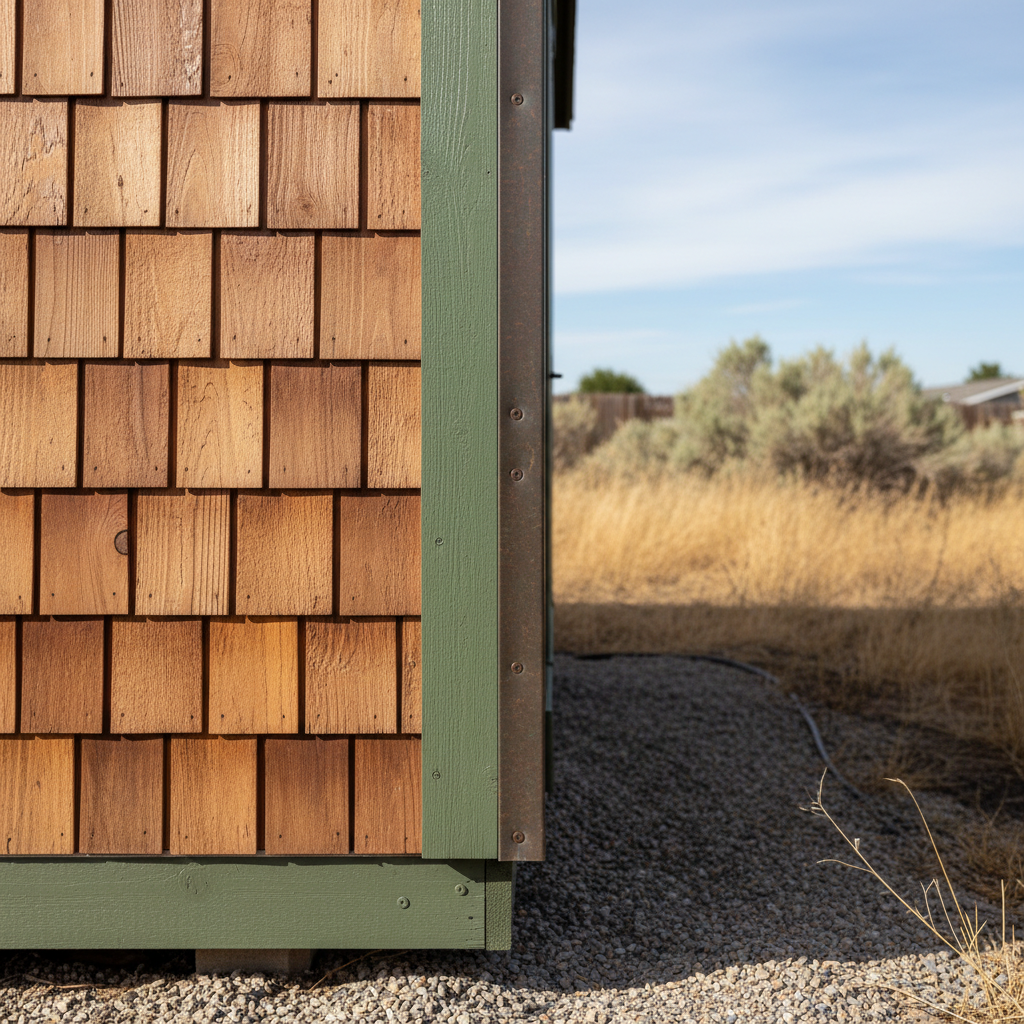
Our weather here in Moses Lake can be pretty wild, right? Hot, dry summers, sometimes really windy, and we do get snow and freezing temps in winter. So, you need something tough. For siding, I usually recommend LP SmartSide or a similar engineered wood product. It holds up great against moisture, insects, and those big temperature swings we see. Plus, it paints well, so you can match it to your house. Vinyl siding is another good option if you want less maintenance, but it can sometimes get brittle over time with our intense sun. For roofing, asphalt shingles are a solid, affordable choice that performs well. Metal roofing is also fantastic for durability and longevity, especially if you're worried about snow load or just want something that lasts forever. I've seen some folks try T1-11 plywood siding, and while it's cheaper upfront, it just doesn't hold up as well over the long haul against our dry climate and then the sudden moisture.
How big can I really go with a custom shed?
The size you can go depends on a few things. First, that permit threshold I just mentioned – 200 square feet is often the magic number for avoiding a building permit. Go bigger, and you're looking at more paperwork and inspections. Second, your property's setbacks. That's how far your shed needs to be from your property lines, and those vary by zoning. You can't just plop a shed right up against your neighbor's fence, after all. Third, what do you need it for? A simple tool shed might be 8x10, but a workshop or a 'she-shed' could easily be 12x20 or even larger. Think about what you're storing, how much room you need to move around, and if you'll ever want to add more stuff. Don't build something too small only to regret it a year later.
Can I match my shed to my house's look?
Absolutely, and I highly recommend it! A custom shed isn't just a box; it's an extension of your home and property. We can match the siding type, color, trim, and even the roofing materials and pitch to your house. If your home has specific window styles or door types, we can often incorporate those into the shed design too. It makes your whole property look more cohesive and adds curb appeal, which is great if you ever decide to sell. It's a small detail, but it makes a huge difference in how the shed feels like it belongs, rather than just being an afterthought.
What kind of foundation is best for a custom shed here?
Given our sandy, sometimes silty soil around Moses Lake, a solid foundation is crucial. The most common and reliable option for sheds is a gravel pad with concrete blocks or treated skids. This allows for good drainage and keeps the wood off the ground, preventing rot. For larger sheds or those with plumbing/electricity, a concrete slab is often the way to go. It provides a very stable, level surface and is excellent for heavy equipment. Pier foundations (concrete posts sunk into the ground) are also an option, especially on sloped lots, but they're less common for typical sheds. What you absolutely don't want is just setting it directly on the dirt. That's a recipe for moisture problems and an uneven shed down the road.
How long does it take to design and build a custom shed?
The design part can be quick if you know exactly what you want. We can usually get a solid design nailed down in a week or two, depending on how many revisions you need. The actual build time for a custom shed varies. For a standard size, say a 10x12 or 12x16, we're usually looking at a few days to a week for on-site construction, once all the materials are ready and the foundation is set. Larger or more complex sheds, especially those with electrical or plumbing, will take longer. Permitting can also add several weeks to the overall timeline, so factor that in. At Moses Lake Custom Sheds, we try to give you a clear timeline upfront so you know what to expect every step of the way.
What about adding windows and doors? Any special considerations?
Windows and doors are where you really personalize your shed. For windows, think about light and ventilation. If you're going to be working in there, you'll want plenty of natural light. Single-pane windows are fine for basic storage, but if you're heating or cooling the shed, you'll want double-pane, insulated windows, just like your house. As for doors, a single 36-inch wide door is standard for walk-in access. But if you're storing lawnmowers, ATVs, or other large equipment, you'll definitely want double doors, often 60 or 72 inches wide, to make it easy to get things in and out. We can also do roll-up garage-style doors if that suits your needs. Consider the security of your doors and windows too – good locks are a must, especially if you're storing valuable tools.